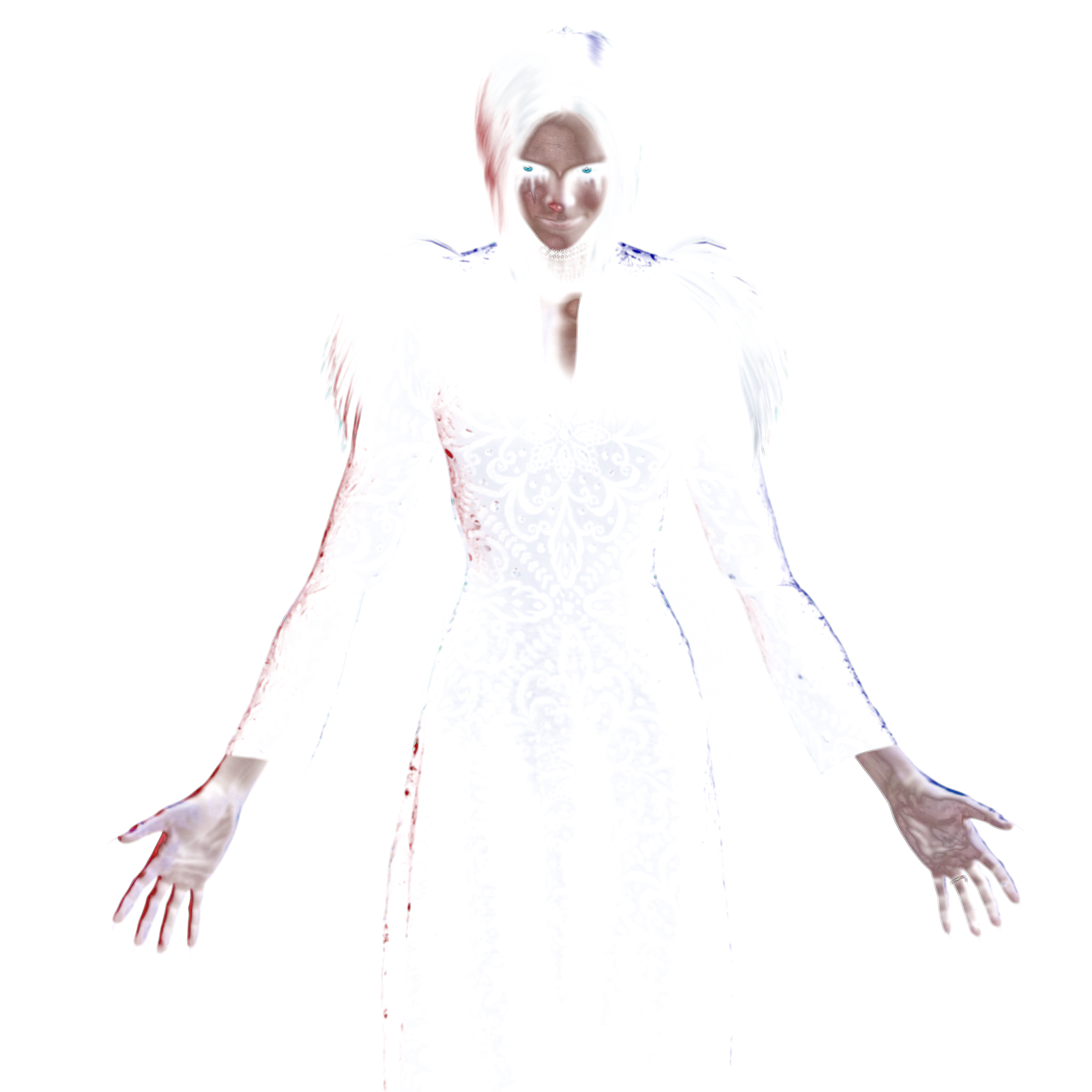
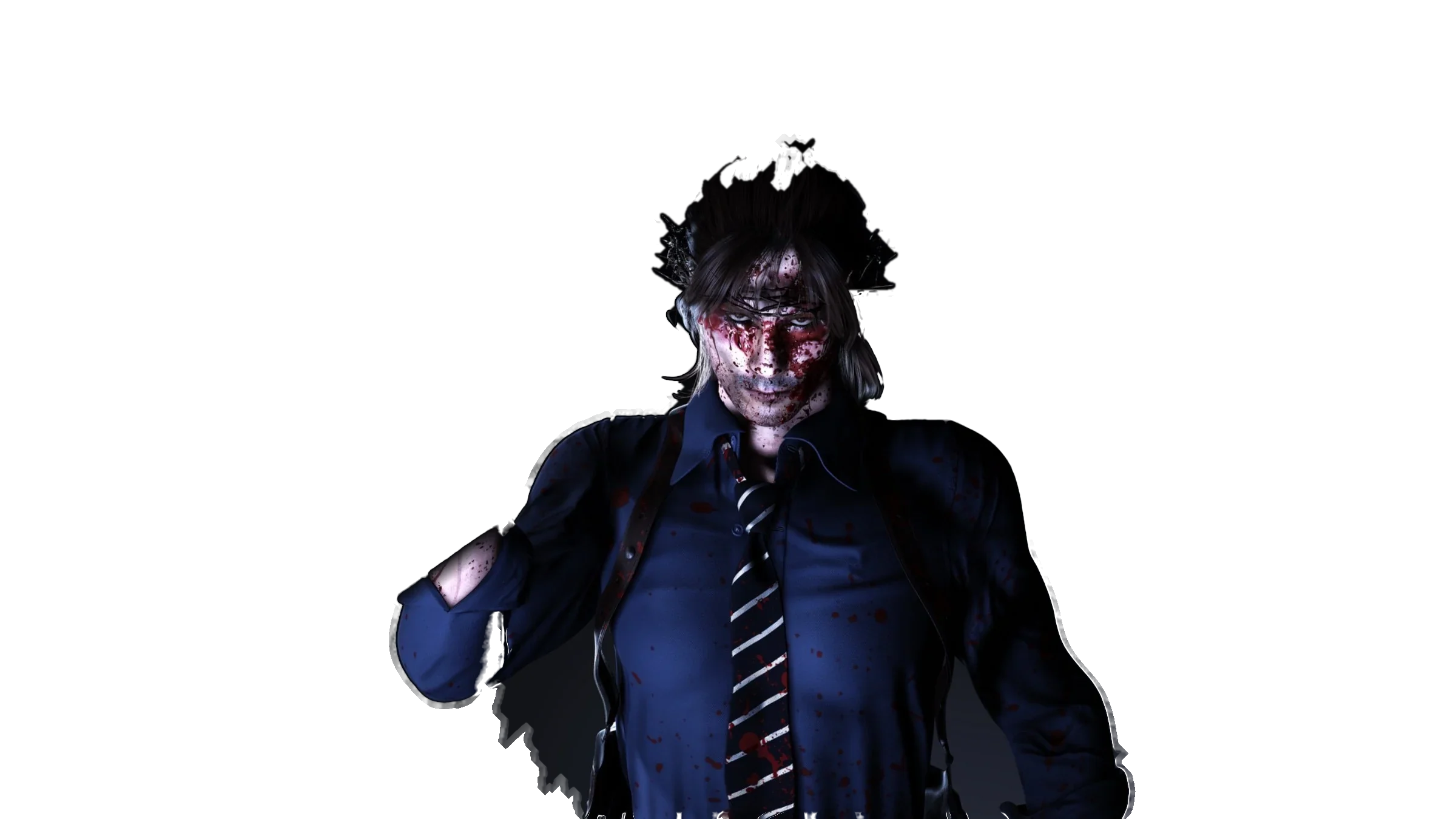
Written and directed by Isa Sadat
How far would you go, for one more chance?
Cinematic Director· Dune: Awakening · Until Dawn Remake
In development · 203X
Project Demento
Each chapter a question. Each answer a cost.
Evidence · Project Demento
Shipped · 2023 — 2024 · Ballistic Moon
Until Dawn Remake
A cult horror classic, rebuilt shot by shot for a new generation of fear.
Games, cinematic and animation designer · 16 months
 Cinematic reelUntil Dawn Remake
“A rare blend of technical skill, creative instinct, and relentless initiative.”
Designed, reworked and polished in-game cinematics and interactive sequences in UE5 Sequencer, aligned with Sony’s game, creative and art directors.
Cleaned up motion capture and brought faces and bodies to life in Maya, to frame-accurate timing.
Built a custom spline camera system and camera markers in Blueprint for traversal, reveals and chases.
Integrated data, optimised Blueprints and fixed bugs so every sequence played smooth and stable.
Prototyped cinematic ideas at speed with a personal Rokoko suit.
Made with Ballistic Moon’s lighting, cinematic, design, FX, tech art and engineering teams. · Launched October 4, 2024 on PS5 and PC. · Unreal Engine 5 · Sequencer · Maya · Blueprint
Key art © Sony Interactive Entertainment
Shipped · 2024 — 2025 · Airship Interactive (Funcom)
Dune: Awakening
Hollywood-level storytelling for a survival MMO, in the shadow of Villeneuve’s films.
Lead cinematic artist · Acting cinematic director for one month
 Cinematic reelDune: Awakening
“His cinematics work was top-notch.”
Designed the cinematic language, directed the visual narrative and supervised character animation.
Hands-on with camera work and beat timing on the shots in this reel.
Mentored five cinematic artists through read-throughs, editorial passes and storyboard follow-through.
Delivered four cinematics per milestone, from script and previs through mocap, lighting and polish.
A small part of a much larger team effort across animation, lighting, environments, VFX, audio, tech and production.
Key art © Funcom
About · Cam 05
Isa Sadat
Artistic·Authentic·Audacious
I direct survival horror cinematics: atmosphere, dread, and the camera that holds them.
Lead Cinematic Artist on Dune: Awakening and cinematic designer on Until Dawn Remake. I shape the emotional arc of every scene in Unreal Engine 5 and mentor the artists around me. I also design the characters a story is staged around, not only the frames that hold them.
“A rare talent, technically sharp, creatively intuitive, and deeply committed to the craft.”
Before games
Former airline pilot. Precision under pressure, reading a scene in motion — the same discipline I direct performance with today.
Work
Selected work
Contact
Work with me
Cinematic direction, mentorship or a consultation. Tell me what you're working on.
Open to freelance and full-time opportunities
{{cHint}}
{{cErr}}
Message received. Thank you, I'll be in touch soon.
Enquiries are delivered securely via Formspree and used only to reply to you.
Artistic · Authentic · Audacious · Isa
Winchester, UK
Archive · Isa Sadat
Journal
Notes on directing cinematics, performance and learning the craft the long way round.
Field Reports
Breakdowns and drills from production.
Poetic Intuition
Essays on feeling, meaning and why a frame works.
The Black Box
Unfiltered recordings: mistakes, pressure and what really happened.
Enter a valid email to subscribe.
You're on the list. New files will reach your inbox.
That didn't go through. Please try again in a moment.
File FR-001Field Report4 min readDeclassified
The three-shot reveal
Most reveals fail because the camera knows before the character does.
A reveal is a promise: the audience learns something at the same moment as the person on screen. Cut too early and the camera spoils it. Linger on the object and the moment turns into information instead of feeling. This drill strips a reveal down to three shots, so every cut has to earn its place.
The brief
A character walks into a room and realises someone they love is gone. Twenty seconds. Three shots. No dialogue. Two camera moves at most.
The three shots
- The belief. Show what the character expects before they know. Keep it calm and readable, so the audience settles in with them.
- The turn. Stay on the face, not the thing. Let the audience read the news there first, and hold it a beat longer than feels comfortable.
- The answer. Now show what they see, framed the way they feel it: too wide if they feel small, too close if they can't look away.
How to do it
Block it in Unreal with mannequins, or on your phone with a friend. Time each shot, then watch it back with the sound off. Now remove one shot. If it still works, that shot was decoration. If a camera move doesn't change what we feel, cut it.
What I look for
Where the audience learns the information, whether each cut lands on a beat, and whether the camera moves for a reason. Send me your version and I'll tell you what's working and what to try next.
File PI-001Poetic Intuition2 min readDeclassified
Cinema, or film?
Everyone wants to make cinema, but nobody wants to make a film.
Cinema is the pursuit of spectacle, scale and shared experience. It is defined by polish and production value, by sound and image orchestrated to impress, entertain or overwhelm. It chases impact, and builds moments made to be seen, shared and remembered in a crowd.
Film is personal expression through moving images. It is quieter and more intimate, rooted in intention rather than scale. It cares about meaning, restraint and emotional truth, and values what is felt over what is shown.
Where cinema seeks applause, film seeks understanding.
Why it matters in games
A cutscene budget pulls toward cinema: the explosion, the crane shot, the trailer moment. The scenes players remember years later are usually film: a held look, a silence, a choice that costs something. The best work knows which one each moment needs, and has the nerve to choose film when it counts.
File FR-002Field Report5 min readDeclassified
How I direct a cinematic, in ten steps
Intent first. Every later decision answers to it.
This is the workflow I use on every sequence, from a two-line beat to a full ending. The order matters: nothing visual is decided until the scene knows what it is for.
- Narrative intent and emotional thesis. Define the scene’s emotional purpose, character truth, stakes and tone before any visual decision is made.
- Visual language and reference alignment. Set the cinematic grammar: camera philosophy, framing rules, motion language and lighting intent, so the sequence reads as one.
- Performance design. Build the performance from the inside out. Map emotional beats, subtext, restraint and micro-behaviour before capture or animation.
- Camera blocking and storyboards. Turn performance into space: motivated camera placement, few shots, and transitions that mean something.
- Technical previs, UE5-aware. Test the ambition against real-time limits by previsualising cameras, light, capture and set logic in engine.
- Performance capture and primary animation. Direct for emotional truth over technical perfection, and choose the takes that stay authentic.
- Cinematic assembly, the director’s cut. Shape meaning through rhythm, timing and silence. Emotional continuity comes before spectacle.
- Lighting, mood and final language. Use motivated light, controlled contrast and restrained style to carry the subtext.
- Iteration, review and integrity. Refine through feedback judged by impact, while protecting intent, performance and authorship.
- Delivery in context. Finalise and integrate in engine so the intent survives playback, gameplay context and implementation.
The one rule
When a step fights the intent, the step loses. Shots, lights and takes can all be replaced. The reason the scene exists cannot.
{{readText}}
{{x_k3}}
Pilot
First officer
Souls
Void
{{readCap}}